14 October, 2026
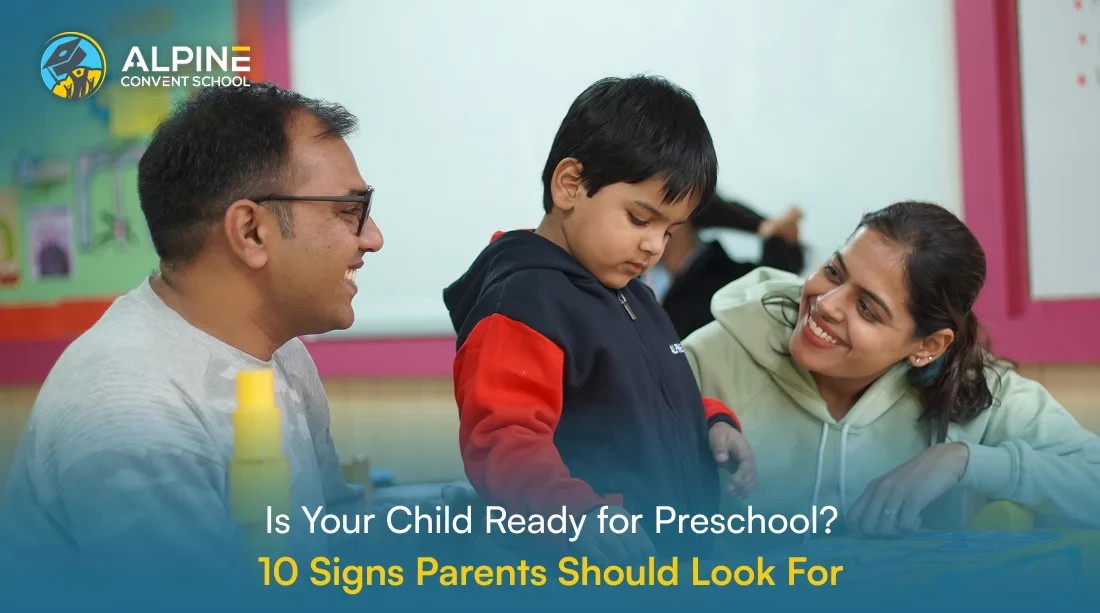
Your child does not need to know the alphabet or count to 20 before starting preschool. What matters far more is whether they can cope with a few hours away from you, play alongside other children, and tell an adult what they need.
That is the real question behind preschool readiness. Whether you are considering a neighbourhood playschool or the pre-primary section of one of the top CBSE schools in Gurugram, the same signs apply. Below are ten practical ones to watch for, based on widely used developmental guidance and everyday classroom realities.
Age decides eligibility. In Haryana and Delhi, Nursery generally starts at 3+ years as of 31 March of the admission year, and some schools run a pre-nursery level for younger children. But two children of the same age can be at very different stages.
A child who starts before they are ready may struggle with long, tearful mornings. A child who starts at the right time often settles within a few weeks. Looking at readiness, not just the birth certificate, helps you pick the right start date.
These signs draw on the CDC's developmental milestones for three-year-olds and on practical expectations in a pre-primary classroom. The CDC defines milestones as things most children, 75% or more, can do by a certain age. Use them as a guide, not a pass-or-fail test.
Very few children tick every box on the same day. Children develop at different rates, so these signs should not be treated as a checklist they must complete. If your child needs more support with separation, communication, or daily routines, discuss their needs with the preschool before admission. A gentle start, such as shorter days during the first few weeks, may help your child adjust.
Readiness can also be built at home. Try these small steps a few months before school begins:
Readiness gaps are usually just timing. However, the CDC advises parents to talk to their child's doctor and ask about developmental screening if a child is missing one or more milestones, has lost skills they once had, or if parents have other concerns. Early support helps, so do not wait if something feels off.
Once your child seems ready, the next decision is where. Lists of the best CBSE schools in Gurugram are easy to find, but the right preschool depends on how it treats three-year-olds. A few questions to ask on any visit:
At Alpine Convent School, for instance, the pre-primary years follow a Montessori structure. The school's admissions page lists Pre-Montessori for children aged 2+ and Montessori-1 for children aged 3+ as of 31 March of the admission year, with possible age relaxation of a few months depending on the child's development. Parents are invited to visit the campus before joining, and the admission process includes an interaction with the parents and child. That kind of interaction gives both sides a chance to judge readiness together.
If you are comparing a top CBSE school in Gurugram with a standalone playschool, look beyond facilities. Watch how teachers speak to the youngest children. That tells you more than any brochure.
Preschool readiness is less about academics and more about comfort, communication, and small acts of independence. Watch your child over a few weeks rather than judging on one difficult day. If most of these signs are showing, they are likely ready for a gentle start.
When you begin shortlisting schools, visit in person and ask how the first weeks are handled. To see how Alpine Convent School approaches the early years, you can schedule a campus visit or review the admission process.
A 3-year-old should gradually develop basic communication, social interaction, and self-help skills before starting preschool. These include expressing simple needs, following basic instructions, showing interest in other children, and participating in short activities. Every child develops differently, so look at overall progress rather than expecting every skill to be fully developed.
Start preparing your child a few weeks before preschool begins. Establish regular sleep and meal times, practise short separations, read picture books together, and arrange playtime with other children. Talk positively about school and explain what happens during the day. These small steps can make the transition more familiar and comfortable.
Daily crying can be a normal response to a new environment, especially during the first few weeks. Keep goodbyes calm and predictable, follow the teacher's settling-in advice, and ask whether your child becomes comfortable after you leave. If distress remains intense or does not improve, discuss possible adjustments with the teachers.
Visit shortlisted preschools and observe how teachers interact with young children. Ask about class sizes, play-based learning, safety, toilet support, communication with parents, and the settling-in process. Check the school's age eligibility and daily schedule too. A nurturing environment that matches your child's needs matters more than facilities alone.
Yes. Play-based learning helps young children develop language, creativity, problem-solving, social skills, and emotional awareness through activities suited to their age. Building blocks, storytelling, pretend play, music, and group activities can support early learning without unnecessary academic pressure. When visiting a preschool, ask how teachers use play to encourage learning and participation.
17 October, 2026
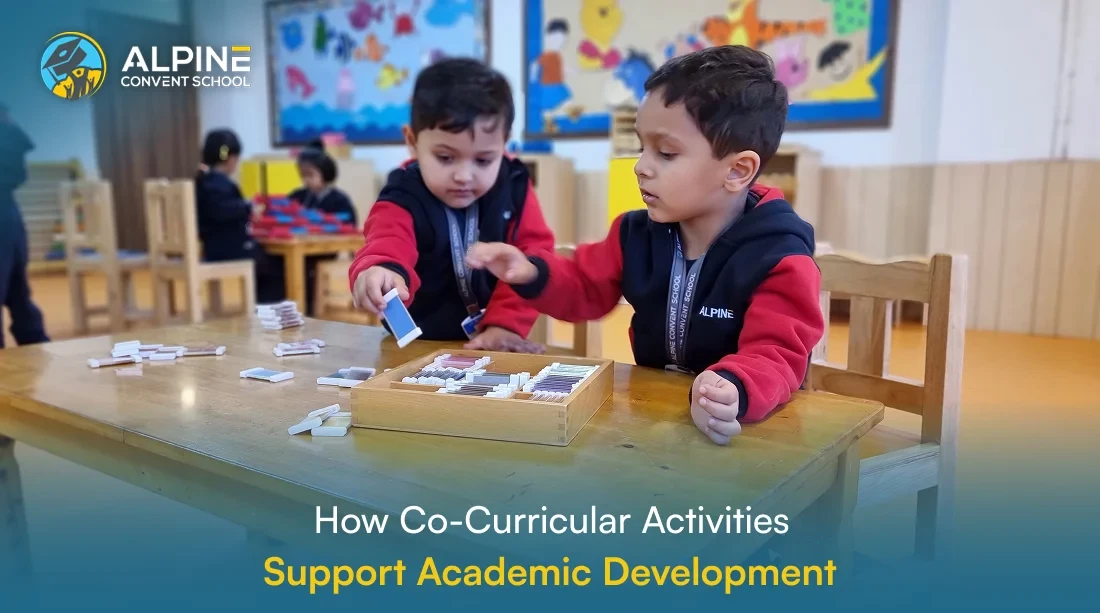
16 October, 2026
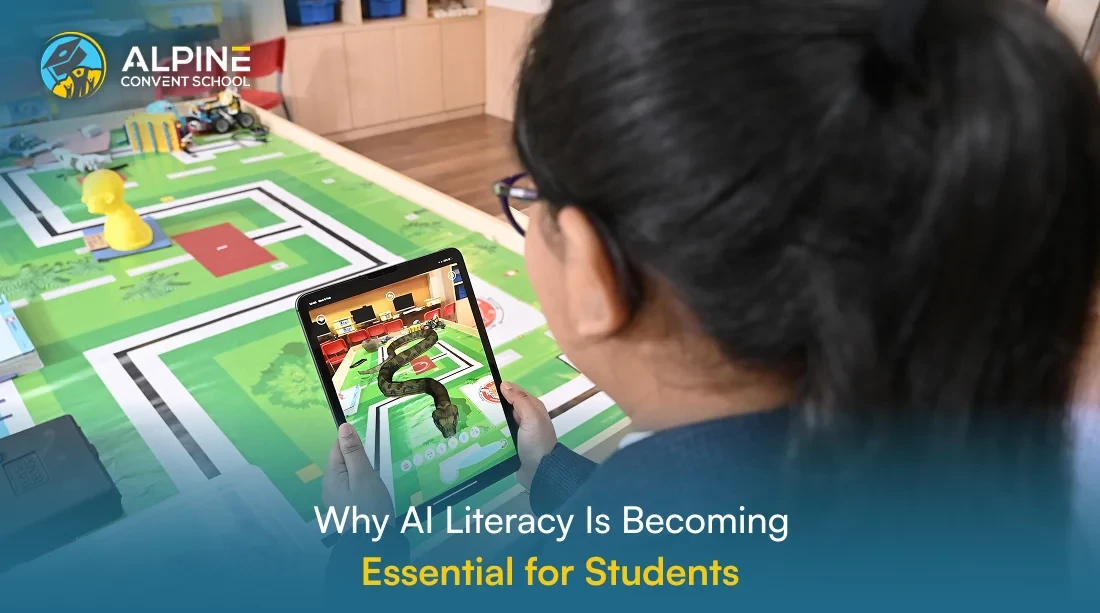
15 October, 2026