27 January, 2026
Education is changing very fast. Schools used to focus only on marks and grades. Today, the focus is on the whole child. Students face a lot of pressure from exams and social media. They need tools to stay calm and happy. Mindfulness is one of these tools. It helps students pay attention to the present moment. This practice makes them stronger and more focused. When a child feels good inside, they learn better. A happy mind is a sharp mind. Well-being is not just a trend. It is a necessary part of a healthy childhood. Many families now look for a school that cares about mental health.
Students spend most of their day at school. It is their second home. A convent school in Gurugram should provide a safe space for every child. If a student is stressed, they cannot focus on their lessons. Anxiety makes it hard to remember facts or solve problems. Mental health support helps students handle these big feelings. It teaches them that it is okay to ask for help. This support builds trust between teachers and students.
Mindfulness is a simple way to train the brain. It is like exercise for the mind. This practice is very popular in the best school in Gurugram because it works. Here are some key benefits:
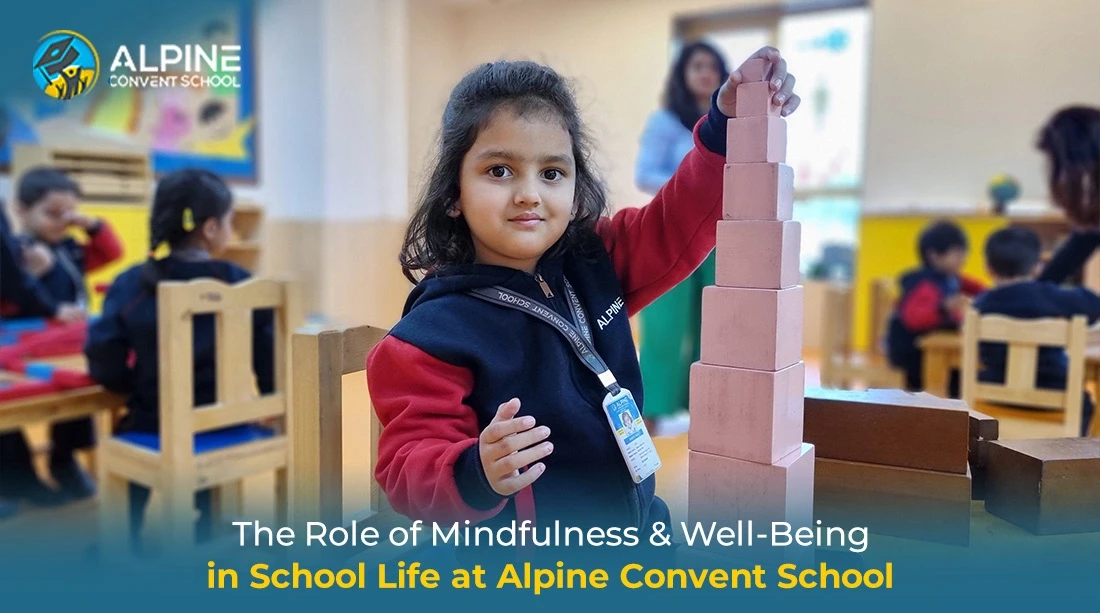
A good convent school in Gurugram builds a culture of kindness. This means everyone treats each other with respect. When students feel valued, they want to do their best. Teachers at Alpine Convent School use different methods to keep the atmosphere positive. They might start the day with a short meditation. They also use positive words to encourage students. This environment helps children grow into confident adults.
How can sitting still for five minutes help a student learn a hard math problem? The answer lies in the brain. A study by MIT found that mindfulness training reduces activity in the amygdala. This is the part of the brain that feels fear. When this part is quiet, the thinking part of the brain works better. This is why the best convent school in Gurgaon includes these practices in the daily routine.
Data shows that mental health is a big concern today. According to the CDC, about 40% of high school students felt persistently sad or hopeless in 2023. This is a high number. Schools must act to help these children. Research from CASEL shows that social and emotional learning can improve academic scores by 11 percentile points. This proves that well-being leads to better grades. A convent school in Gurugram that uses these facts can help students thrive.
Teachers are the heart of the school. They model mindful behavior for the students. If a teacher is calm, the students feel calm too. Parents also play a big role. They can practice mindfulness at home. This creates a bridge between school and home life. At Alpine Convent School, parents are often part of the conversation. They learn how to support their child's emotional needs. Working together makes the impact much stronger.
Can a school environment actually lower a child's stress level? Yes, it can. When a school prioritizes well-being, students feel less pressure. They see learning as a fun journey, not a scary race. This is common in good schools in Gurgaon that focus on the child's happiness. When stress is low, the brain can absorb new ideas more quickly. This leads to higher test scores and better project work.
Industry leaders agree that the old way of teaching is not enough. Jon Kabat-Zinn, a famous expert on mindfulness, once said:
"Too much of the education system orients students toward becoming better thinkers, but there is almost no focus on our capacity to pay attention and cultivate awareness."
This quote shows why a convent school in Gurugram must teach awareness. Students need to know how their own minds work. This is a life skill that is just as important as math or science.
The goal of education is to prepare children for life. Life is full of ups and downs. Mindfulness gives students a toolkit for the future. They learn how to stay grounded when things get tough. At Alpine Convent School, the focus is on building this inner strength. It is not just about the next exam. It is about the next twenty years. A healthy mind helps a person succeed in their career and their personal life.
Mindfulness helps a child stay calm and focus on one task at a time. When the brain is not worried, it can remember facts much better. This leads to higher scores in exams and better work in class. It also stops the brain from feeling too tired after a long day of hard lessons. A relaxed mind can think of more creative answers during a big test.
Children can start at a very young age. Even toddlers can learn to take deep breaths when they feel upset. It is a great habit for students in a convent school in Gurugram to start as early as possible. Starting young helps them build a strong mental base for the future. It makes them more resilient as they grow into teenagers and face harder challenges in life.
No, it only takes a few minutes each day. These small breaks actually make the rest of the day more productive. Students get more work done in less time because their minds are clear and ready to learn. Instead of wasting time on stress, they use their energy to finish their projects. It is a smart way to make every school hour count for more.
Yes, it is very helpful when parents join in. You can try quiet breathing for two minutes before dinner or at bedtime. This helps the whole family feel more relaxed and keeps the school lessons fresh in the child’s mind. When a child sees their parents staying calm, they learn to do the same. It makes the home a peaceful place for everyone.
No, mindfulness is a simple mental exercise based on science. It is about focusing the mind and relaxing the body. It is used in many good schools in Gurgaon to help all students regardless of their personal beliefs or backgrounds. It is just like doing physical exercise for the muscles. The main goal is to help every child feel happy and healthy while they study.

15 September, 2026

09 September, 2026