19 January, 2026
The world of education is changing fast in India. New rules and methods are coming to schools soon. These changes aim to make learning better for every child. Parents need to stay updated to help their kids succeed. The upcoming academic year will bring many shifts in how students learn and how teachers teach. Understanding these updates is the first step toward a bright future for your child. It is time to look closely at what the new session has in store for young learners.
The new academic session focuses on what a child can actually do. It is not just about memorizing facts from a book. The board wants kids to apply their knowledge in real life. This change makes lessons more practical and fun for everyone.
Many parents wonder if the pressure of exams will finally decrease. The board is working on ways to reduce stress for students. They want to make assessments a tool for growth rather than a source of fear.
Dharmendra Pradhan, the Union Education Minister, said: "Students will have the option of appearing for board exams twice a year, so they can keep the best score." This statement reflects the goal of the National Education Policy. It aims to make the system more flexible and student-friendly.
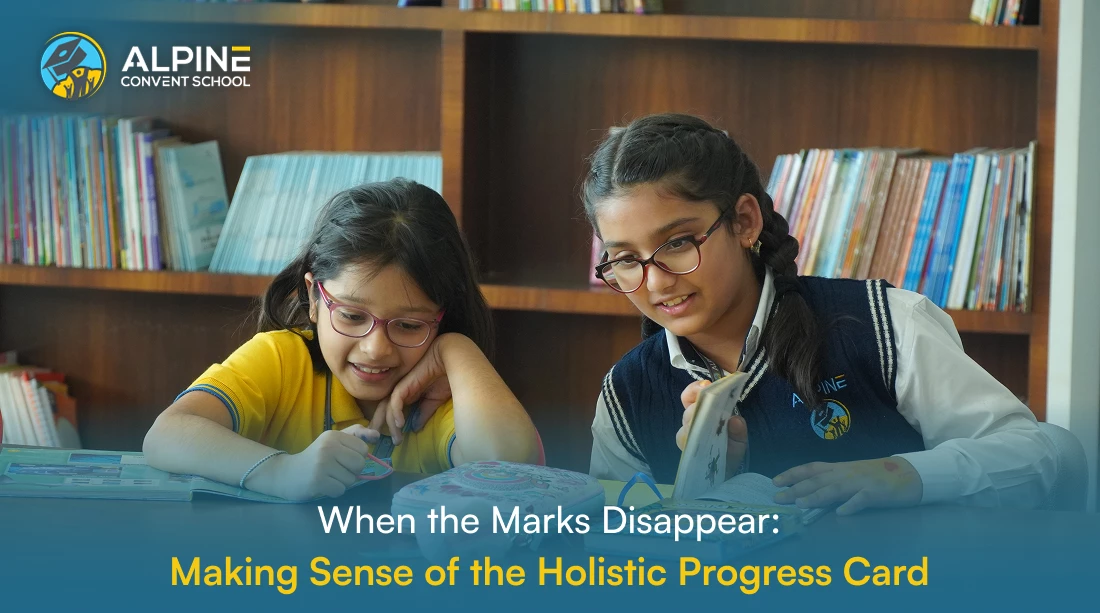
The old report card is going away. A new type of progress card is taking its place. This card will show much more than just marks in math or science. It will provide a complete picture of who the child is.
According to the National Curriculum Framework (NCF-SE 2023), the focus is on the "Pancha Kosha" concept. This covers physical, mental, and emotional well-being.
Choosing a school is a big decision for any family. You want a place that understands these new changes. A school must have the right tools to implement the NCF guidelines. Many CBSE schools in Gurugram are updating their labs and libraries.
If you want your child to thrive, look for the best CBSE school in Gurugram. This choice will define their learning experience for years to come. Alpine Convent School is one such place that follows these modern standards.
The new session will encourage students to learn in more than one language. This helps in better brain development. Also, students will have more freedom to choose the subjects they love.
A study by NCERT states that 75% of a child's brain development happens before the age of six. This is why the foundational stage is getting more attention now.
Parents often ask how schools are preparing for the 2025–26 session. It is vital to see if the school has a clear plan. Good CBSE schools in Gurgaon will always put the student first.
Finding top CBSE schools in Gurgaon requires looking at their track record. You should check how they handle change and innovation. The best CBSE school in Gurugram will always be transparent with parents about their methods.
The admission season can be a bit stressful for families. However, staying organized can make the process much easier. You should start your research early to avoid any last-minute rush.
The 2025–26 CBSE changes are a big step toward a modern India. They focus on making kids smarter, happier, and more capable. As a parent, your role is to find a school that embraces these changes. Alpine Convent School is committed to providing this high-quality education to its students.
When you look for the best CBSE schools in Gurugram, keep the new NCF rules in mind. The right school will help your child navigate these updates with confidence. Start your journey today and give your child the gift of a great education. Education is not just about marks but about building a strong character for life.
No, it is not mandatory to take the exam twice. Every student must appear for the first exam in February. If the student is happy with their marks, they do not need to take the second exam. The second attempt in May is an optional choice for those who want to improve their scores in up to three subjects.
These are questions that test how well a child can use what they learned in real-life situations. Instead of asking for a definition from a book, the exam might ask the student to solve a practical problem. This helps ensure that children truly understand the "why" and "how" behind every topic they study.
The new Holistic Progress Card (HPC) is a 360-degree report. It does not just show marks in subjects like Math or English. It also includes feedback from teachers, classmates, and even the student. It tracks important life skills like teamwork, creativity, and how well a child handles their emotions.
Yes, the new policy allows for much more flexibility. Under the new guidelines, the strict walls between Arts, Science, and Commerce are being removed. This means a student could potentially study Physics along with History or Fashion Studies. It allows every child to follow their own unique interests and career goals.
The syllabus remains the same for the entire academic year. Both the February and May exams will cover the full year's portion. The benefit is that the second exam acts as a safety net. If a child has a bad day or falls ill during the first attempt, they can try again without losing a whole year.
15 September, 2026
09 September, 2026